
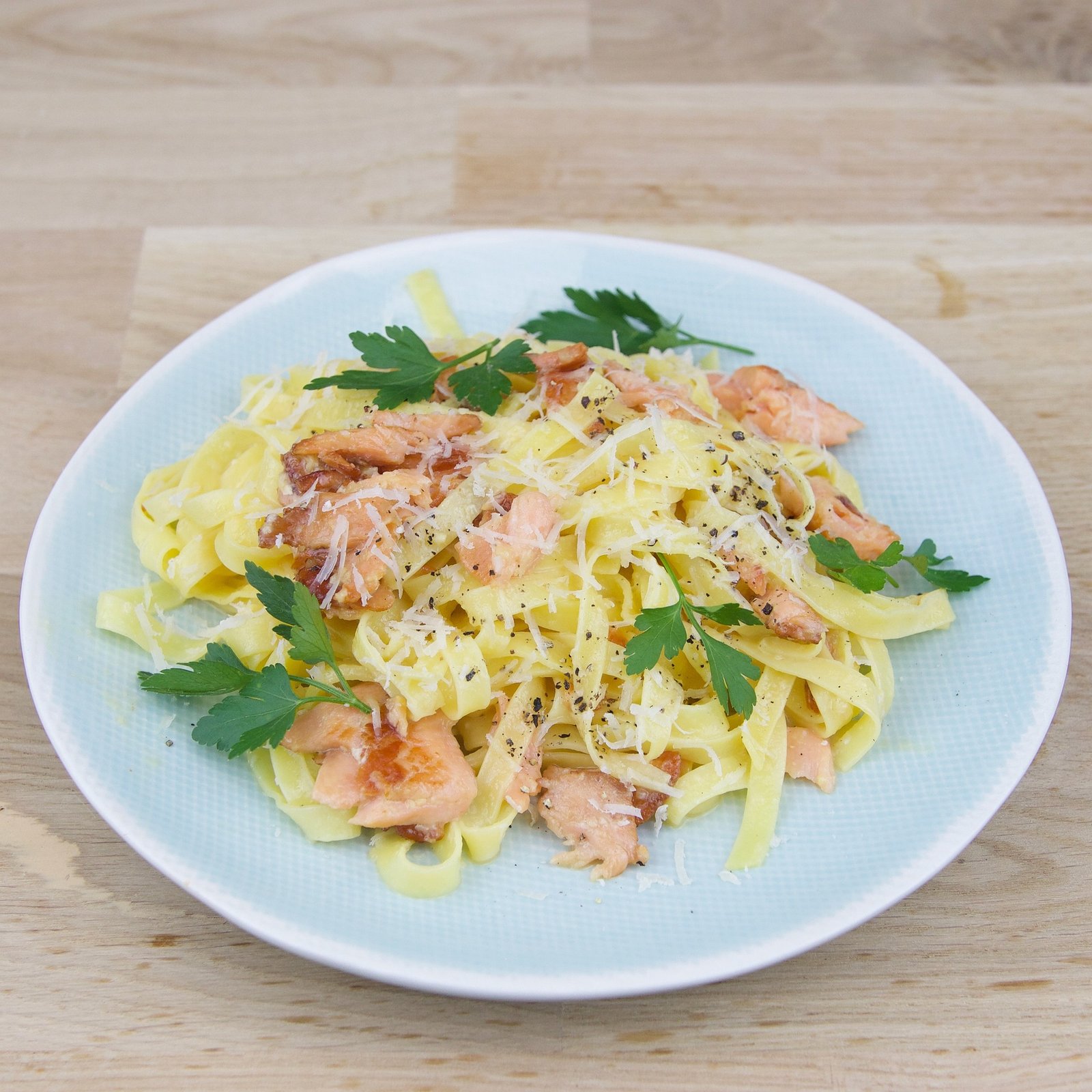
It was my first experience cooking pasta for guests. I was sure that I did it perfectly. I took a pot to boil water and then add pasta, waited some moments to cook and then drain it. Simple, right? But just ten minutes later I was staring at a pot of mushy, sticky spaghetti that tasted like wet cardboard. My friend politely said, “It’s… interesting.”
That moment annoyed me enough to actually learn how Italians do it. After a lot of trial and error in my own kitchen, I realized perfect pasta isn’t about fancy skills. It’s about a handful of small details that most people skip.
In this guide, I’ll walk you through exactly how to cook Italian pasta perfectly, step by step, plus the mistakes I made so you don’t have to.
What “Perfect” Italian Pasta Actually Means
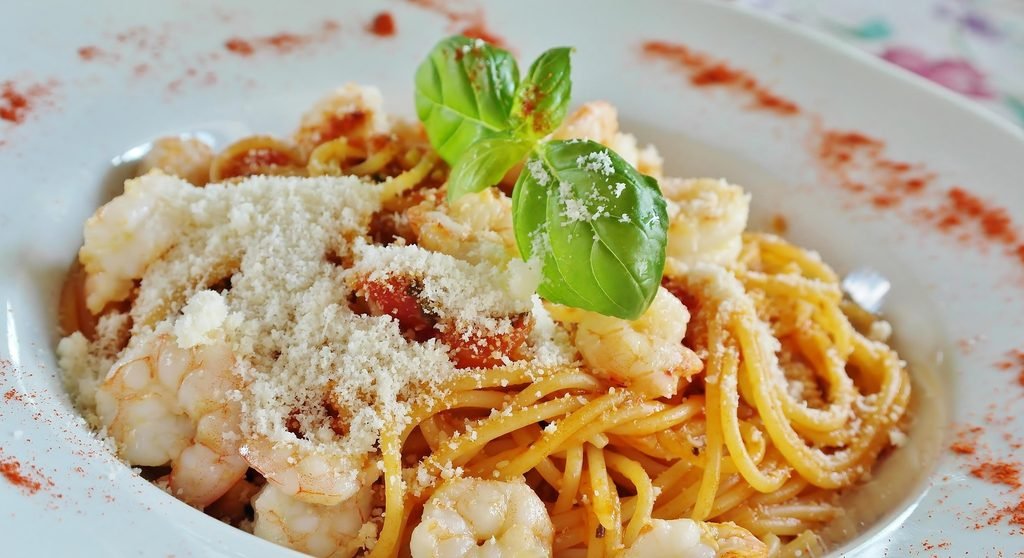
Before we touch a pot, let’s define the goal. In Italy, perfect pasta is cooked al dente which literally means “to the tooth.” The pasta is tender but still has slight fir when you bite it. It shouldn’t be crunchy and it definitely shouldn’t be soft.
Here’s what perfectly cooked pasta looks and feels like:
- A slight resistance in the center when you bite it
- A smooth surface that isn’t slimy or mushy
- Strands or shapes that stay separate
- A texture that holds up when mixed with sauce
Why does this matter? Because pasta continues to cook after you drain it, especially when it is mix with hot sauce. If you cook it fully in water it turns soft till it is served on your plate. Cooking it al dente gives you little margin of safety.
Based on my experience, once you taste properly al dente pasta, going back to overcooking pasta feels impossible.
Choosing the Right Pasta
You can’t cook perfect pasta from poor-quality pasta. I learned this when I switched from the cheapest packet on the shelf to a better dried pasta, and the difference surprised me.
Look for these signs of good dried pasta:
The ingredients should simple: durum wheat semolina and water
The surface should look slightly rough or matte not shiny and smooth
The color should be pale golden yellow
That rough surface comes from bronze die cutting, and it matters. A rough surface grabs sauce much better. Smooth pasta allows sauce to slide off easily leaving a pool of sauce at bottom of plate
Also, different shaped pastas go better with different sauces. Long pastas like spaghetti and linguine flavor appropriate with oil primarily based and mild sauces. Small and tubular pastas like penne and rigatoni pass properly with thick or creamy sauces. The sauce is captured inside the pasta. Lastly, flat ribbons such as fettuccine are good with richer and thick sauces.
The Pot, the Water, and the Salt

This is the part most home cooks get wrong, and it’s the easiest to fix.
Use a big pot
In a big pot pasta finds enough space to move so it can get rid from sticking.
How much water ?
An exact rule is approximately to use 1 liter of water for one hundred grams of pasta. If you’re cooking two hundred grams for two people, you may want approximately 2 liters of water. Using proper amounts fixed my sticky pasta problem almost overnight.
Salt the water properly
Italians say water should taste like the sea. Initially around 10 grams of salt is required for one liter of water. That sounds like a lot but most of it remains in the pot. The pasta only absorbs a small amount.
Here’s the thing: salt added to the water is the only chance you get to season the pasta from the inside. If you skip it no amount of salty sauce will fix the bland flavor. I tested this myself by cooking two batches side by side, one salted and one unsalted and the difference was obvious from the first bite.Add the salt when the water is boiling, not before. Once it’s rolling, you’re ready.
Boiling time: Many people confuse how longer should boil? If you want to know how to cook Italian pasta perfectly just follow package timing and taste 1 min before.
Step-by-Step:
How to Cook Italian Pasta Perfectly
Let’s put it all together. Follow those steps and you may get regular effects.
Bring water to rolling boil. Not a lazy simmer. Big bubbles, lots of movement.
Add the salt. Use about 10 grams per liter.
Add pasta all of sudden. For long pasta like spaghetti, permit it to soften for about 30 seconds then gently drain it underneath water.
Stir right away. In the first two minutes, pasta releases starch and is most likely to stick. Stir well during this time.
Cook uncovered at steady boil. Keep temperature high enough to maintain bubbling.
Start tasting early. Check the package time, but begin tasting 2 minutes before it ends.
Save some pasta water. Scoop out a cup before draining.
Drain, but don’t rinse. More on that below.
Timing is where people struggle. Package instructions give you a good starting point, but your stove, your pot, and your pasta brand all change the result. I always pull my pasta out about one to two minutes before the package time, since it will finish cooking in the sauce.
The Secret Ingredient: Pasta Water
If I could give you only one tip from this whole article, it would be this: do not pour all your pasta water down to drain.
That cloudy water is full of starch released by the pasta. Italians call it liquid gold, and honestly, they’re right. When you add a splash to your sauce, it does three things:
- It thicks the sauce slightly.It helps oil and water based ingredients blend into a smooth, glossy sauce.It makes sauce stick to pasta instead of sliding off.
- I remember making simple garlic and olive oil pasta that kept away from being greasy and thin. The moment I added a few spoonfuls of pasta water and tossed everything on heat, the sauce turned silky. It worked like any magic trick.
- A good habit is to scoop out one cup before draining. You probably won’t use all of it but it is better to have extra than to need it and not have it. Add it a little at once time, tossing as you go, until sauce coats the pasta nicely.
Finishing Pasta in the Sauce
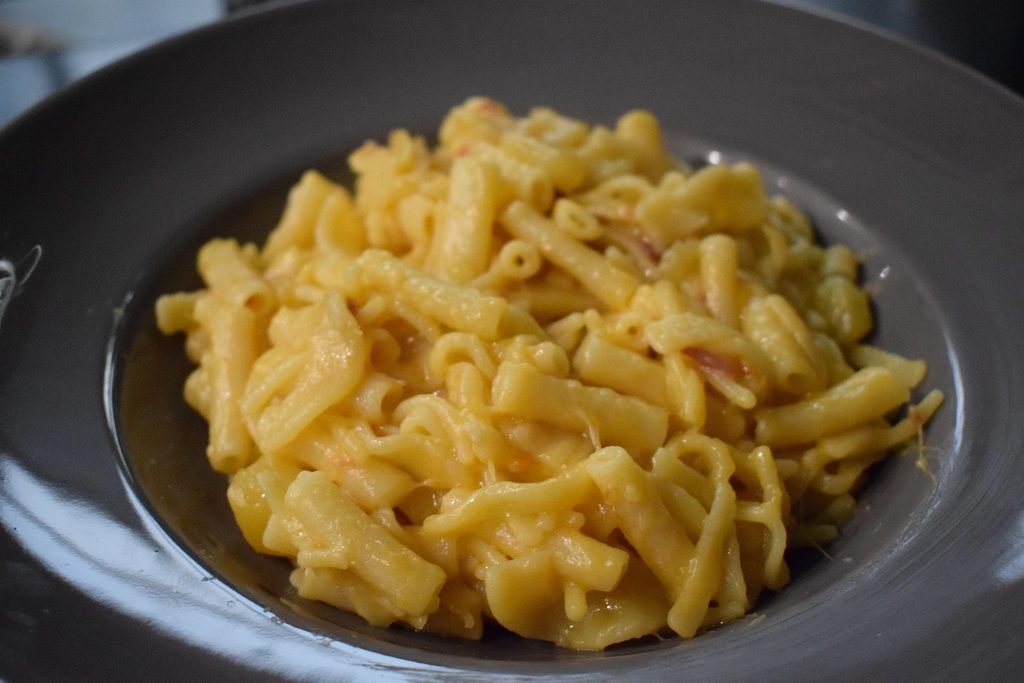
Here’s a technique that separates restaurant style pasta from average home pasta: finish cooking the pasta inside the sauce pan.
Instead of draining pasta completely and add sauce on top, transfer the almost cooked pasta straight into your pan of warm sauce. Add a touch of pasta water then stir over medium warmth for one minute or two .During this time, pasta absorbs taste from the sauce.
The starch on its surface blends with the sauce and creates a smooth dish. It’s the difference between pasta that has sauce on it and pasta that is part of the sauce.
A few things I’ve learned about this step:
Keep the heat at medium, not high, so the sauce doesn’t reduce too quickly
Toss step by step so the entirety coats lightly
Add cheese when flame off or on the very end, to avoid sticking
Serve at once. Pasta waits for nobody
Italians often say you should bring the pasta to the sauce, not the sauce to the pasta. After testing both ways many times, I’ll never go back.
Common Mistakes That Ruin Pasta
I’ve made nearly all of these, so no judgment here.
Adding oil to the water
Many people believe oil prevents sticking. In reality, it floats on the surface and does very little. Worse, if oil coats the cooked pasta, sauce won’t cling to it. Frequent stirring and enough water do the job properly.
Rinsing cook pasta
Except you’re making cold pasta salad, don’t rinse. Rinsing washes away surface starch that helps sauce to stick. Your pasta ends up slippery and bland.
Break spaghetti from mid
It feels convenient but long pasta softens naturally within a minute or so. Breaking it also changes how it twirls on your fork. Let it bend into the water instead.

Overcooking
Cook until pasta is completely soft is the main mistake. Always taste one minute or two early. Remember, it keeps cooking in the sauce.
Using too little water or salt
A crowded underseasoned pot is the foundation of most pasta disasters. Give the pasta room to be itself and season the water generously.
Let it sit down in the colander
Cooked pasta that has been sitting in a colander has a tendency to turn out to be sticky and stiff. If your sauce is not ready yet, undercook the pasta slightly, or have warmed up your sauce already before you begin to drain the pasta.
Practical tips from my own kitchen
After having cooked pasta for my friends and family many times, I have gathered some valuable lessons in my own kitchen.
Make sure you make your sauce first. The pasta takes little time to cook, so it is better to have the sauce on the stove or already prepared before you cook the pasta itself, so that nothing will get cold while waiting for the pasta to cook.
Warms plates
Warm plates also help to keep the pasta from getting cold. I usually warm the plates up by running them under hot water and drying them off thoroughly.
Taste, don’t trust the timer. Pull out a strand and bite it. Your mouth is more reliable than any clock.
Use a wide pan for finishing. A wide pan gives you room to toss pasta evenly, instead of squashing it in a small saucepan.
Don’t add extra sauce. Italian pasta needs stability. The sauce has to coat the pasta, no longer drown it. If you see a puddle at the plate, you’ve possibly used an excessive amount of.
Use little olive oil for completing. Small spread of olive oil over plated pasta adds aroma and richness without lots of effort. By avoiding these steps you can learn how to cook Italian pasta perfectly.
Conclusion
Cooking Italian pasta flawlessly is not tough but it does reward interest. Use of big pot, salt water properly, stir early, prepare dinner al dente, save your pasta water and finish the pasta in the sauce. Those few habits will take your pasta from “fine” to “wow, did you make this?”
I still remember that disappointing plate of mushy spaghetti from years ago and I’m glad for it. It pushed me to learn properly. If your first few attempts aren’t perfect, don’t worry. Every good cook has a few sticky, soft pasta stories. Further more, for perfect results of Italian pasta I follow tips from Jill Silverman Hough.
So tonight, take a big pot, put on some music and give it a try. Taste as you go trust your instincts and enjoy the process. Your kitchen is about to smell amazing.
Frequently Asked Questions
1. How longer should italian pasta boil?
Typical dried Italian pasta takes around 8-12 minutes to cook. Check the recommended cooking time on the packaging of your specific variety, and then start tasting the pasta around 2 minutes before the recommended time has passed. It should be still quite firm in the center, and will continue to cook from the pasta’s heat after it has been combined with the sauce.
2. Should I add oil to pasta water?
The belief that you need to add oil to the pasta water in order to prevent your Italian pasta shapes from sticking together is another very common myth. The truth is that the oil you add to the pasta water when cooking your dried Italian pasta does no good at all. The oil simply floats on top of the water and does nothing to help in preventing your Italian dried pasta shapes from sticking together.
3. How much salt must I add to pasta water?
An appropriate rule of thumb is to add about 10 grams of salt per liter of water. It might also appear like a variety of salt but the pasta cooks inside the water and absorbs a bit of it. Salting the water is the pleasant way to season the pasta.
4. Why does my pasta stick together?
Pasta sticks together when the pasta is cooked in too small a pot, there is not enough water in it or one does not stir enough in the first couple of minutes after having put the pasta into it. After that cooked pasta releases starch which can stick to other pasta particles, so one must avoid leaving cooked pasta for too long with the sauce before tossing it.
5. Can I again use pasta water?
Yes. Use some of the starchy pasta water to mix with the sauce. The starch in the water will help to thicken up the sauce so that it adheres to the pasta. Use about a cup of the starchy pasta water and add to the sauce while tossing the pasta in the sauce.
Related Topics You Might Like
Types of Italian pasta and their names
Best sauce for each Italian pasta shape
How to make authentic Italian pasta dough at home