
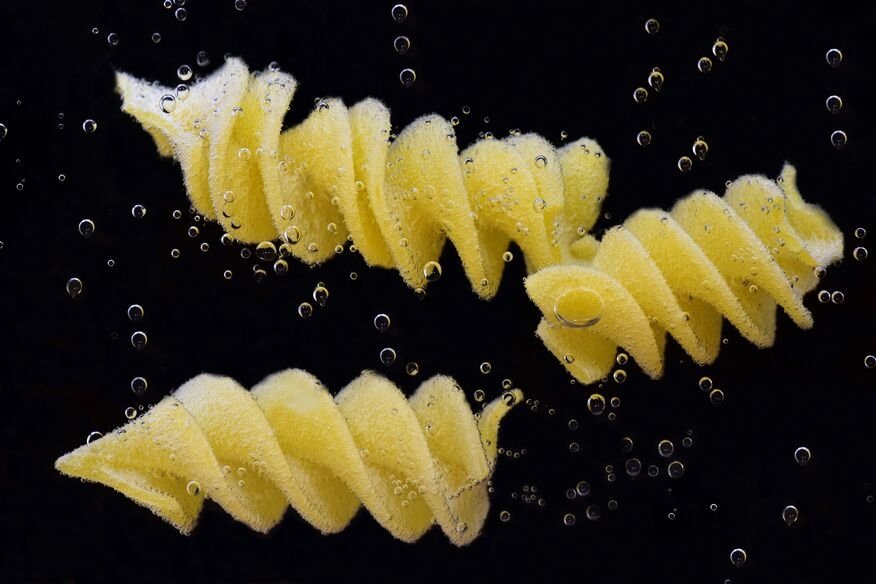
I thought boiling penne was easy but getting the boiling time for penne pasta right is tricky. I notion that boiling penne was one thing in the kitchen I couldn’t destroy.
Water, pasta, timer. Done. Then one Sunday I serve penne to table of hungry relatives and watched everyone quietly push around a pile of soft, swollen tubes that had given up on life.
I had followed the box. I had set a timer. And still, mush. I realised that I don’t know the exact boiling time for penne pasta.
That day sent me down a small obsession with getting penne right. After a lot of test batches (my family was very patient, mostly), I have a clear answer on how long to boil penne and, more importantly, how to know when it’s actually ready. Let’s get into it.
The Short Answer: Boiling Time for Penne Pasta
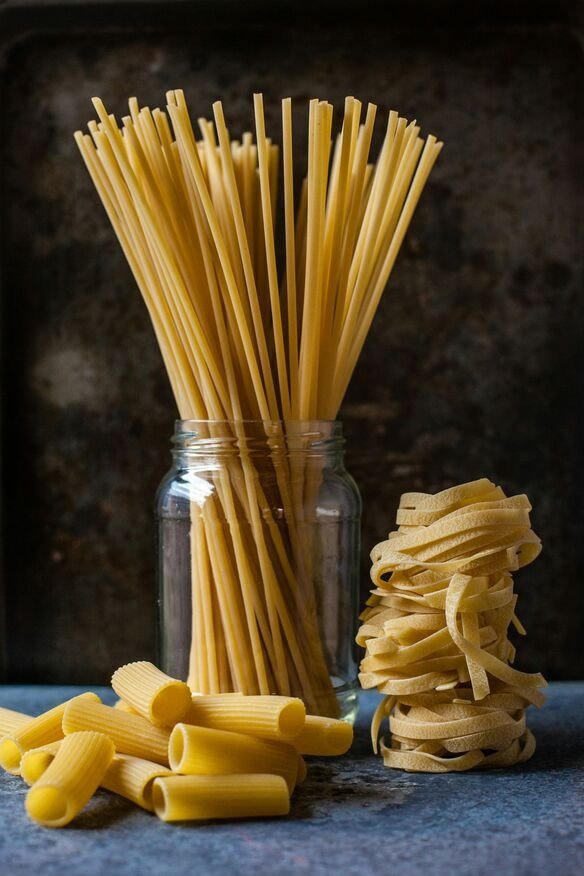
10 to 13 mintues probably enough for dried penne to reach at perfect AI dente.
The exact time rely on brand, size of pasta and whether it is smooth or rough.
Here’s the part most people miss: the time on box is a starting point, not any rule. I start to taste earlier time that is mentioned on package. If time limit is 11 to 13 minutes, I check at 9 or 10.Why? Because pasta keep cooking after you drain it and it keeps cooking again once it hits any hot sauce. If you pull it at very last second of the package time, it will be soft by the time it reaches the plate.
What “Al Dente” Really Means
“Al dente” is Italian for “”to the tooth”. It inform us about pasta this is cooked through but nevertheless has slight bite in the middle.
When you chew a chunk of properly cooked penne it ought to sense gentle from out of doors with slight resistance in centre. You shouldn’t see a hard white center, and it shouldn’t sense chalky. It additionally shouldn’t disintegrate while you chunk it.
I’ll be honest: after I first heard this, I thought it turned into simply meals snobbery. It isn’t always. Al dente penne holds its form beneath sauce, feels better to eat and stay fulfill instead to become heavy and sticky. Many human beings additionally locate that company pasta feels greater filling, that’s first-rate bonus.
What You required Before Boiling Penne Pasta
You do not need special equipments but few basics to create real difference.
A large pot. Penne needs room to move. A crowded pot means sticky pasta.
Plenty of water. A good rule is about 4 liters (4 quarts) for every 450 grams (1 pound) of pasta.
Salt. About 1 to 2 tablespoons for that amount of water, added once it boils.
A timer. Use one but treat it as guide.
A colander or spider strainer. A spider lets you lift pasta straight into sauce.
A mug. You’ll use it to scoop out some starchy pasta water before draining.
That last one is my favorite habit. I’ll explain why in a moment.
Step-by-Step:
How to Boil PenneThis is the method I use every time and it’s been reliable across dozens of brands.
Bring water to full, rolling boil. Not a lazy simmer. Big bubbles, steady steam. Adding pasta to water that isn’t hot enough is a common cause of gummy texture.
Salt the water. Add it after water boils. It should taste lightly salty like a mild broth. Pasta absorbs some of it and this is your best chance to season the penne itself.
Add the penne and stir right away. Penne tubes like to stick together in the first minute or two. A good stir from start prevents clumps.
Keep water boiling. Lower heat slightly if it threatens to spill over but don’t let it go quiet.
Stir occasionally. Every couple of minutes is enough.
Start tasting early. Check about two minutes before time mentioned on the package.
Aside one cup of pasta water. Scoop it out just before draining.
Drain. Don’t rinse it if you’re serving it hot.
Why You Should Never Add Oil
Many of us hearing since chidhood that oil keeps pasta from sticking. In exercise it normally floats on pinnacle of the water and then coats cooked penne which makes it harder for sauce to grasp. Stir and enough water do the actual work.
Why Pasta Water Matters
The cloudy water left behind is complete of starch. A splash of it helps a sauce come to be silky and cling to pasta rather than sliding off. Once you do this, you gained’t pass returned.
How to Test If Penne Is Done
Timers are beneficial but your own mouth is the high-quality device.
Fish out one piece with a fork or spoon and let it cool for some seconds. Bite it in half of and observe cut floor.
A thick white ring or tough middle way it wishes every other minute or .
A very skinny, barely seen pale dot manner it’s perfect for most dishes, particularly if it’s about to complete cooking in sauce.
A uniformly soft, pale yellow throughout means it’s fully cooked, which is fine for some recipes but too far for others.
Repeat the test every minute once you’re close. It takes ten seconds and removes all the guessing.
A small note from my own kitchen: the first piece I fish out is usually the one that cooked the least, since it was sitting on top. Test one from the middle of the pot for a more honest result.
boiling time for penne pasta
Not all penne are same and the differences affect timing. Use these as general limitations and always check your package.
Regular Dried Penne
Usually 10 to 13 minutes. This is the standard supermarket version made from durum wheat.
Penne Rigate (Ridged)
Also roughly 10 to 13 minutes. The ridges help sauce cling, and I think it’s the better choice for most recipes. Smooth penne sometimes called penne lisce, can feel slippery with thin sauces.
Whole Wheat Penne
Often around 10 to 12 minutes though it can be change. It tends to feel firmer and nuttier. It can turn grainy if overcooked so taste early.
Chickpea, Lentil, or Gluten Free Penne
These often cook faster, sometimes in 7 to 10 minutes and they can go from perfect to mushy quickly. Follow the package closely and stir gently. They also don’t hold well once cooked so serve them soon.
Fresh Penne
Fresh pasta cooks much faster, usually in just a few minutes. It’s less common for penne, but if you find it, start checking after about 3 minutes.
Common Mistakes That Ruin Penne
I’ve made nearly every one of these. Here’s what to watch for.
Not Enough Water
A small pot means water temperature drops when the pasta goes in and starch concentrates. The result is sticky, clumpy penne.
Forgetting to Salt
Unsalted pasta water leads to bland penne that no amount of sauce can rescue. Salt the water.
Walking Away
Penne needs stirring in the first minute or two. Walking off to answer a call while it clumps together at the bottom is how I ended up with that sad Sunday lunch.
Trusting Box Blindly
Brands vary and so do stoves. Taste it.
Rinsing Hot Pasta
Rinsing washe away starch that helps sauce stick. The only time I rinse is for cold pasta salad where I want stop to cooking and safe from clumping.
Letting It Sit Drained
If sauce isn’t ready when the penne is then do not leave it sitting in a colander. It gets hard, sticks together and turns gummy. Better to have sauce waiting.
Finishing Penne in the Sauce
This is the technique that changed my pasta more than anything else.Pull the penne about one to two minutes before it hits full al dente. Drain it (saving that mug of water) and add it directly to pan with your warm sauce. Cook everything together for one minute or two by add one splash of pasta water as required.
The penne finishes cooking while socking flavor from sauce. The starch in water helps everything bind together into a glossy coating. It’s the difference between pasta with sauce on top and pasta that’s actually part of dish.
This works well with tomato sauces, garlic, oil and creamy sauces. The tubes also trap sauce inside so every chew is full of flavor.
Tips for Baked Penne, Pasta Salad and Meal Prep
How long you boil penne depends on what you’re cooking next.
Baked penne: Cook it two to three minutes much less than bundle suggests. It will retain to tender in oven as it absorbs sauce and moisture. If you boil it fully you’ll come to be with gentle pasta by time the cheese is floating.
Cold pasta salad: Cook to al dente, drain and rinse under cold water to prevent cooking and funky it rapid. Toss with little dressing so it doesn’t clump. Pasta companies up in refrigerator so a minute of more cooking is high-quality here.
Meal prep: Slightly undercook penne and store it one after the other from the sauce when possible. It reheats better. Cooked pasta have to move into the fridge inside an hour or and is best eaten within approximately 3 to four days.

High altitude: If you live someplace excessive up water boils at low temperature so pasta can also want a piece long term. Keep checking.
Conclusion
Boiling penne sounds simple and it is however small facts depend. Use any massive pot, salt the water, stir at begin and begin tasting early. Lastly , I must say that exact time for boiling penne pasta is 10 to 12 minutes. Save some pasta water. And whilst you can, permit penne finish in the sauce.
I still remember that Sunday lunch with a bit of a wince. But honestly, I’m grateful for it, because it made me pay attention to something I’d done on autopilot for years. Now my penne comes out tender with that perfect little bite almost every time.
Try it this week. Set your timer, but trust your teeth. And if you ever mess it up, don’t worry. Everyone does, and the next pot will be better.
Frequently Ask Questions
1. How long ought to I boil penne for al dente?
10 to 13 minutes required to most dried penee. For true al dente, start tasting about two minutes before short time on package. If you’ll finish it in a hot sauce, pull it one to two minutes early so it doesn’t turn soft.
2. Should I add oil to the water when boiling penne?
It isn’t needed. Oil floats on top and can coat cooked pasta which stops sauce from sticking. Using plenty of water and stir during first minute or two will prevent clumping far more effectively than oil.
3. Is penne will be washed after boiling?
For hot dishes, no. Rinse gets rid of surface starch that allows sauce grasp. Only rinse penne while making a cold pasta salad, where you need to prevent the cooking and funky it speedy so it doesn’t stick collectively.
4. Which quantity of water will suitable to boil penne?
A right is about four liters (4 quarts) of water for 450 grams (1 pound) of penne.
Using any large pot and lots of water keeps temperature moderate which helps it cook evenly.
5. Why is my penne sticky ?
One of the major issue is add too little water and not stir early on, overcooking or let drained pasta sit without sauce. Use big pot, stir at start, taste early and toss penne with sauce right after drain for better results.
Related Topics You Might Like
Penne vs Rigatoni: What’s the Difference and Which Is Better?
Best Sauces for Penne Pasta: 10 Simple Ideas
How to Reheat Leftover Penne Pasta Without Drying It Out
.